

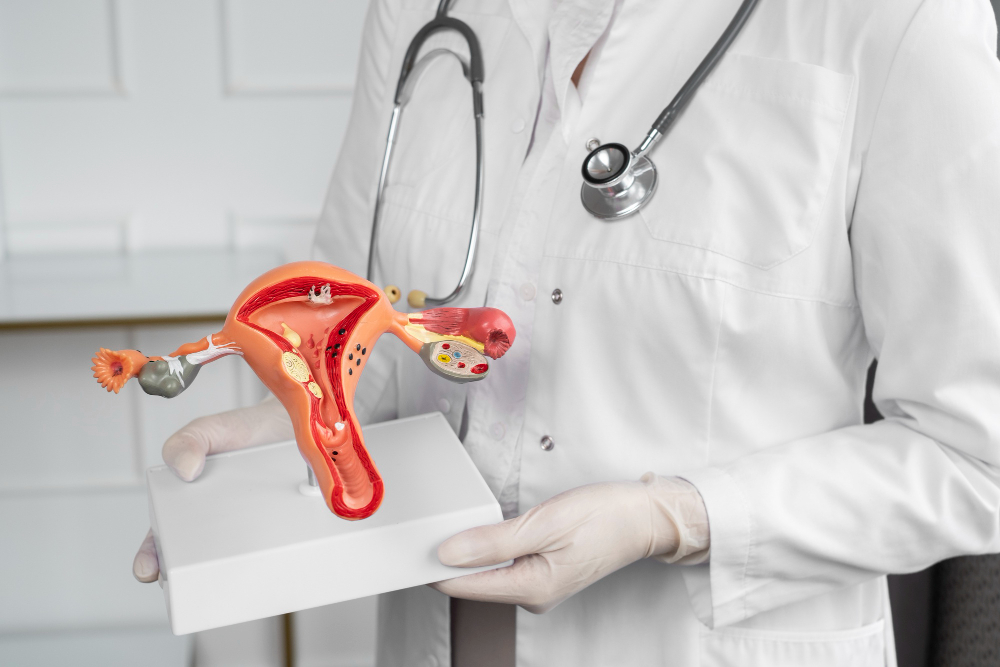
What Are Ovarian Cysts?
Ovarian cysts are fluid-filled sacs that form on or inside a woman’s ovary. Most cysts are harmless and may go away on their own. However, some can cause pain or other problems. Because ovarian cysts are common, it is helpful to know their symptoms and treatment options. According to the World Health Organization, many women will have at least one cyst during their lives.
Common Symptoms
Many ovarian cysts do not cause symptoms. Still, some women may notice signs, especially if the cyst grows larger. For example, you might feel discomfort or pain. Below are common ovarian cyst symptoms:Pain or pressure in the lower bellyBloating or swellingFeeling full quickly when eatingPain during sexChanges in your period, such as heavier or lighter bleedingNeeding to urinate more often
Sometimes, a cyst can burst or twist. In that case, you may feel sudden, sharp pain. If this happens, seek medical help right away.
Causes and Risk Factors
Ovarian cysts can form for different reasons. Most often, they develop during the menstrual cycle. These are called functional cysts. However, other types can also occur. Here are some common causes and risk factors:Hormonal changes, such as those during your periodPregnancy, since cysts can form early in pregnancyEndometriosis, a condition where tissue grows outside the uterusSevere pelvic infectionsPrevious ovarian cysts
Although most cysts are not cancerous, age and family history can affect your risk. Women after menopause should be extra careful and talk to their doctor about any cysts.
Diagnosis Methods
Doctors use several ways to find out if you have ovarian cysts. Early diagnosis can help prevent problems. Here are common methods for how ovarian cysts are diagnosed:Pelvic exam: Your doctor may feel for swelling or lumps.Ultrasound: This test uses sound waves to create images of your ovaries.Blood tests: These can check for hormone levels or signs of cancer.Laparoscopy: In some cases, a small camera is used to look inside your belly.
Because some cysts can look like other health problems, your doctor may order more than one test.
Treatment Options
Treatment for ovarian cysts depends on your age, symptoms, and the cyst’s size. Many cysts go away without treatment. However, some need medical care. Here are common ovarian cyst treatment options:Watchful waiting: Your doctor may suggest waiting and checking the cyst again later.Medications: Birth control pills can help prevent new cysts from forming.Surgery: If the cyst is large, painful, or does not go away, surgery may be needed. Doctors can often remove the cyst and leave the ovary in place.
Although surgery sounds scary, most procedures are safe and use small cuts. Your doctor will explain the best option for you.
Prevention and Lifestyle Tips
While you cannot always prevent ovarian cysts, some steps may lower your risk. For example, healthy habits can help keep your body in balance. Here are some ovarian cyst prevention tips:See your doctor for regular check-upsKeep a healthy weightEat a balanced diet with fruits and vegetablesStay active with regular exerciseTrack your periods and note any changes
Because some cysts are linked to hormone changes, talk to your doctor about any concerns.
When to See a Doctor
Most ovarian cysts are not dangerous. Still, you should see a doctor if you notice:Severe or sudden belly painFever or vomitingFainting or dizzinessUnusual bleeding
Early care can help prevent serious problems. If you have questions about ovarian cysts, do not wait to ask your healthcare provider.
In summary, ovarian cysts are common and often harmless. However, knowing the symptoms and treatment options can help you stay healthy. For personalized advice, consult your doctor or a women’s health specialist.